







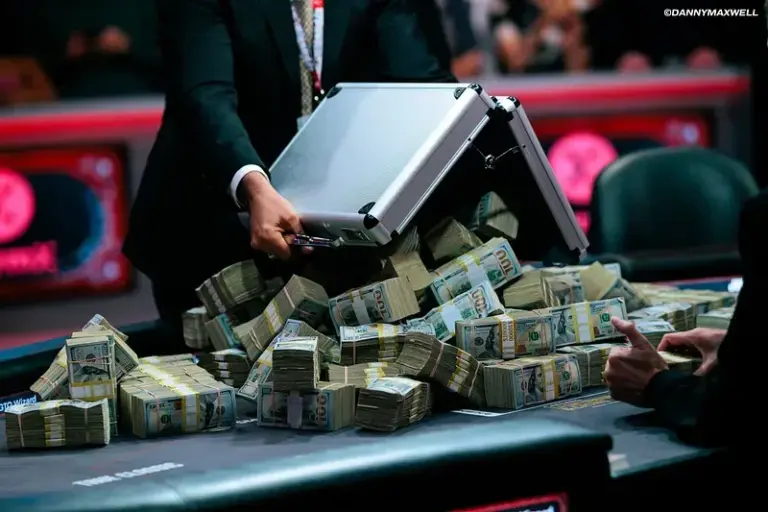
The controversial tax reform affecting gamblers in the United States continues to generate resistance. During a public hearing organized by the Internal Revenue Service (IRS), poker professionals, tax experts, industry representatives, and recreational players agreed on one message: the new regulation could have much deeper consequences than anticipated. Tax
The change, approved by Congress within the so-called One Big Beautiful Bill Act (OBBBA) and in effect since January, limits the deduction of losses to 90% of the gains obtained. In practice, this means that many players will have to pay taxes on income that, according to critics, never represented a real profit.
The main driver of the opposition is Nevada congresswoman Dina Titus
Phantom income?
One of the most repeated concepts during the session was “phantom income,” an expression used to describe money on which a player ends up paying taxes despite not having obtained a real economic benefit.
Read more Las Vegas doesn’t sleep: Justin Arnwine won his first WSOP Circuit ring in Nevada — CodigoPoker
The American press states that the reform «punishes volume and honesty,» as it incentivizes some bettors to hide income instead of reporting it correctly. In the same vein, poker content creator Joshua «PLO Professor» Thatcher
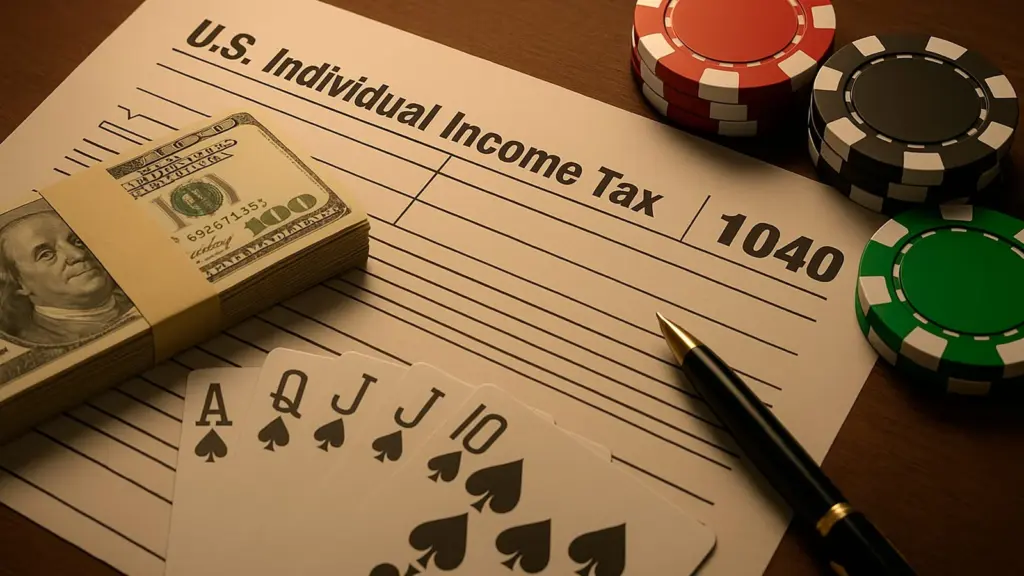
Phantom Tax Puts The Development Of Poker In The United States In Check.
Criticisms also pointed to possible long-term effects. Poker professional Katie Stone
For his part, the founder of Poker Fraud Alert, Todd Witteles
Although the IRS does not have the power to eliminate the law, the hearing revealed an unusual consensus: from professionals to industry organizations, they believe that taxing so-called “phantom income” could end up weakening revenue collection, encouraging evasion, and accelerating the migration of players to offshore platforms, reopening a debate that is just beginning.
Read more Three mistakes that ruined the WSOP for many players (and how to avoid them) — CodigoPoker
Source: Pokernews.com