







The digital ecosystem is going through a delicate moment for content creators, especially in industries like poker, gambling, and online entertainment. In the last year, platforms like YouTube, Instagram, and Facebook have tightened their policies on content considered “sensitive,” causing suspensions, restrictions, and even permanent account closures. For many creators, this doesn’t just mean losing visibility, but directly their source of income.
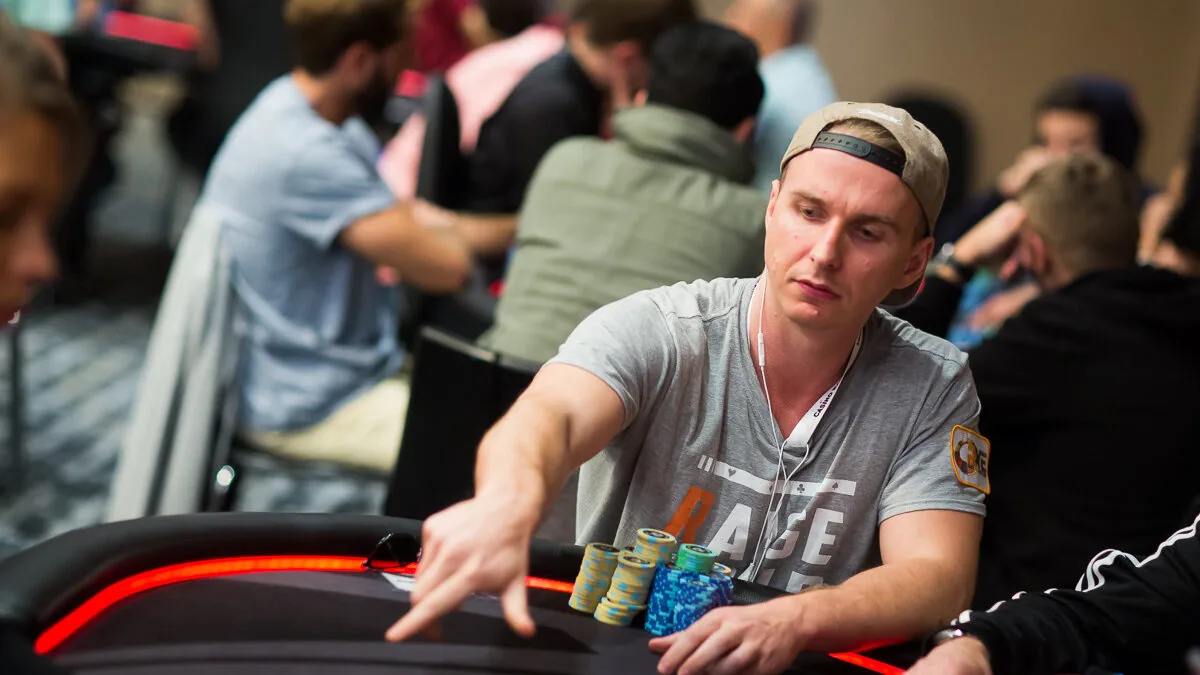
Concern grew following statements by poker professional Benjamin “bencb” Rolle
Rolle claims he only achieved results when he decided to turn to lawyers specializing in disputes with digital platforms. According to his experience, formal letters sent by law firms were enough for Meta to lift restrictions on his Facebook and Instagram accounts within two to three months. The cost, he says, ranged between 500 and 2,000 euros per case, a figure he considers “almost inevitable” in the current context of content creation linked to gambling.
The most sensitive point of the debate lies in transparency. The professional maintains that many sanctions are applied with vague explanations, such as generic mentions of “regulated goods,” without detailing precisely which rule was allegedly infringed. In Europe, laws like the Digital Services Act require platforms to justify their decisions, which opens the door to legal disputes. However, this protection is not uniform globally.
Read also: ACR Poker Announces The XL Series With US$50M Guaranteed
From the United States, analyst Todd Witteles
The background of the conflict reveals a larger problem: thousands of creators depend economically on private companies whose rules change constantly and whose appeal systems are often opaque. In an environment where a strike can erase years of work, uncertainty becomes structural.
The question starting to worry the industry is clear: if defending a channel requires lawyers, how many creators will be able to survive in the long term?
Read also: After His New Curse And Losing A Million In The Super Bowl, Drake Quits Sports Betting —