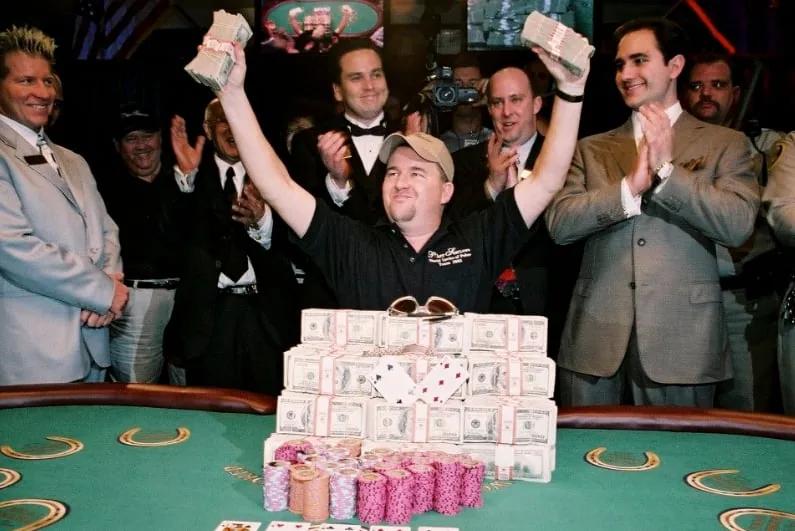







The debate about increasing buy-ins and the rake structure has reignited in the poker industry, and it is not just a mathematical discussion. It is, above all, a battle between financial logic and player psychology. It all started with the statements of the 2015 WSOP Main Event champion, Joe McKeehen
With nearly two decades of experience and over 3 million dollars in winnings, Himmelbrand represents that hinge player who understands both the professional and the recreational. And his diagnosis is clear: raising buy-ins may make sense on paper, but loses appeal in practice.

Joe Mckeehen Ignited The Debate About Rake And Buy-Ins.
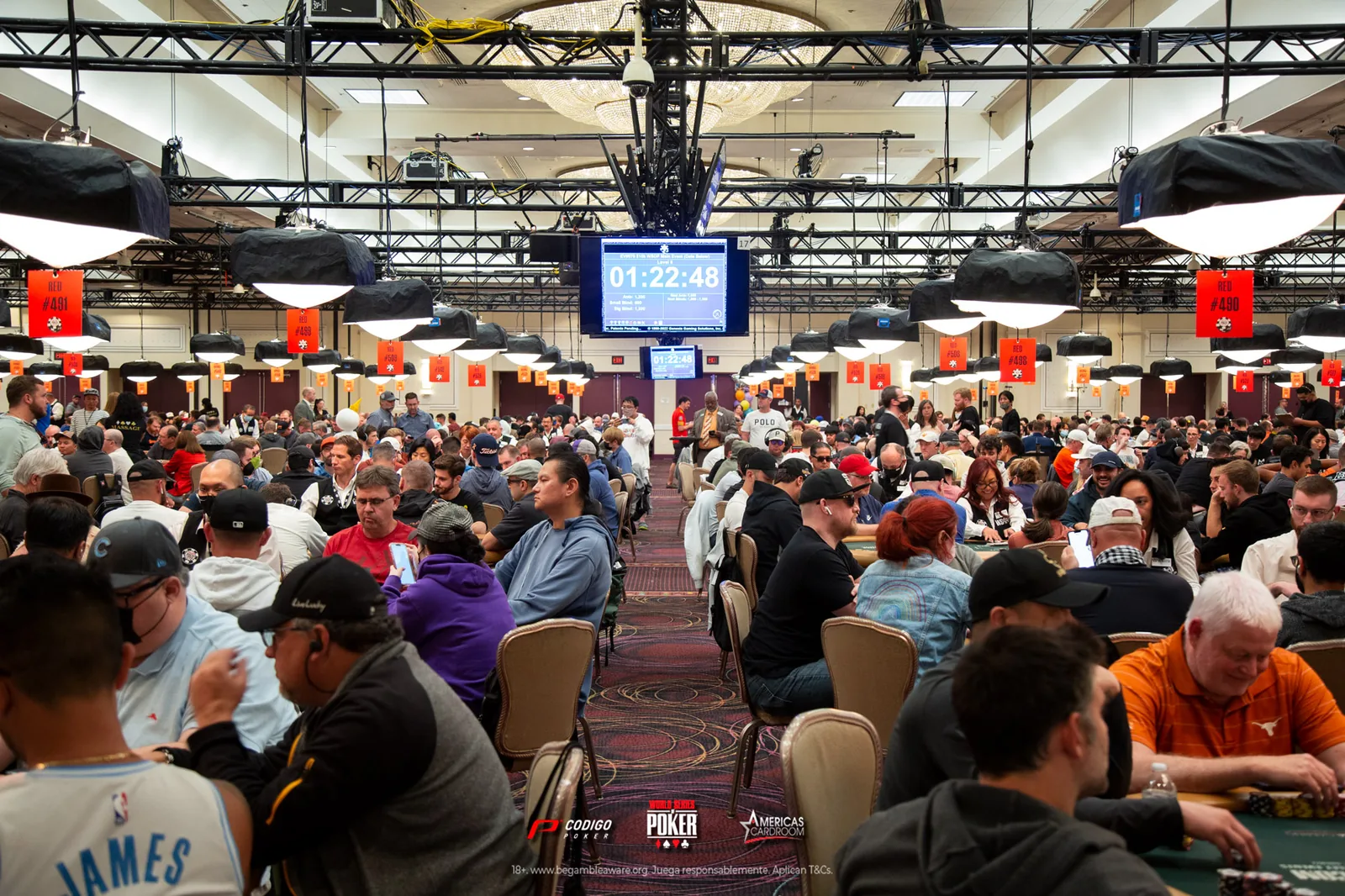
The critical point, according to his experience, is between US$500 and $800. While low-mid entry tournaments maintain massive fields thanks to the “dream” of turning a moderate investment into a six-figure prize, crossing that psychological barrier completely changes the scenario. From US$800 onwards, many recreational players simply stop playing.
Here appears an uncomfortable truth: ROI is not the main driver for the casual player. They are not calculating long-term expectations, but chasing an opportunity. That logic clashes directly with the vision of high-level players, who seek more “fair” structures with reduced rake, even if that implies higher buy-ins.
Read more Spring Poker Series CDMX: Hotel agreements — CodigoPoker
But Himmelbrand introduces a key concept: poker is not just numbers, it is also perception. And that is where operators must be precise. A slightly higher rake can be tolerated if the buy-in is accessible. On the other hand, an “optimal” structure with more expensive entries can empty the tournaments.

Greg Himmelbrand Brought The Debate To A Broader Perspective.
Empirical evidence supports this idea. In regional circuits in the United States, some festivals that abused the rake saw their participation drop… until they adjusted their figures. Result: players returned.
The final message is simple: the market rules. Players vote with their wallets. And in an ecosystem where recreational, regular, and professional players coexist, finding the exact point between rake and buy-in is not a formula… it is an art.
Read more Case The Lodge: accusation collapses, cleared of charges