









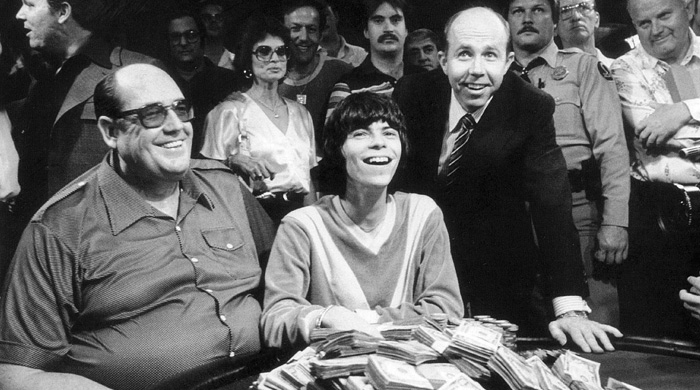
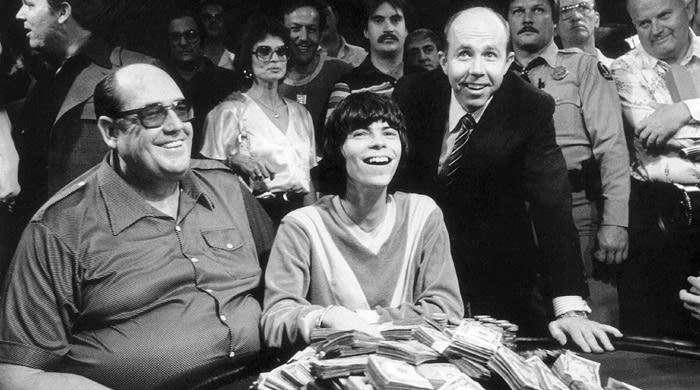
While today the world celebrates the NFL Super Bowl, decades ago poker lived its own “grand final” that gathered the best minds of the game at the most demanding tables. That tournament was the Super Bowl of Poker, a high-level event that, although almost forgotten, marked a key era in the competitive history of professional poker.
And within that golden chapter of poker, there is one name that stands out above all others: Stu Ungar
A Golden Era of Poker and a Legendary Tournament
As poker began to transcend cash game rooms and sought more structured formats, the Super Bowl of Poker emerged. Driven by Amarillo Slim
Although the World Series of Poker had already established its reputation as the poker championship par excellence, the SBOP offered a different challenge: less massive, more elitist, and with great rewards. In that context, winning once was a notable achievement; winning several times was the mark of a legend.
Stu Ungar and His Absolute Dominance
Stu Ungar was an extraordinary figure in poker history. Considered by many as one of the best Texas hold’em players of all time, he also excelled in other card games like gin rummy.
His WSOP career was marked by three Main Event titles, an achievement shared only with a few other big names. But his mark on the Super Bowl of Poker goes beyond general fame: he was the only player to take home the main SBOP title in three different editions (1984, 1988, and 1989).
Three Crowns, Three Eras
1984 – Ungar secured his first title at the Super Bowl of Poker, bringing greater prestige to the event and solidifying it as a tournament that deserved respect among the competitive poker elite.
1988 and 1989 – His consecutive victories not only accentuated his dominance but also gave the tournament a significant media boost, as few players could challenge his reads, strategy, and nerve at the tables.
This record—winning the SBOP Main Event three times—remains unique in the history of the Super Bowl of Poker and stands as a testament to Ungar’s competitive ability against high-level rivals.
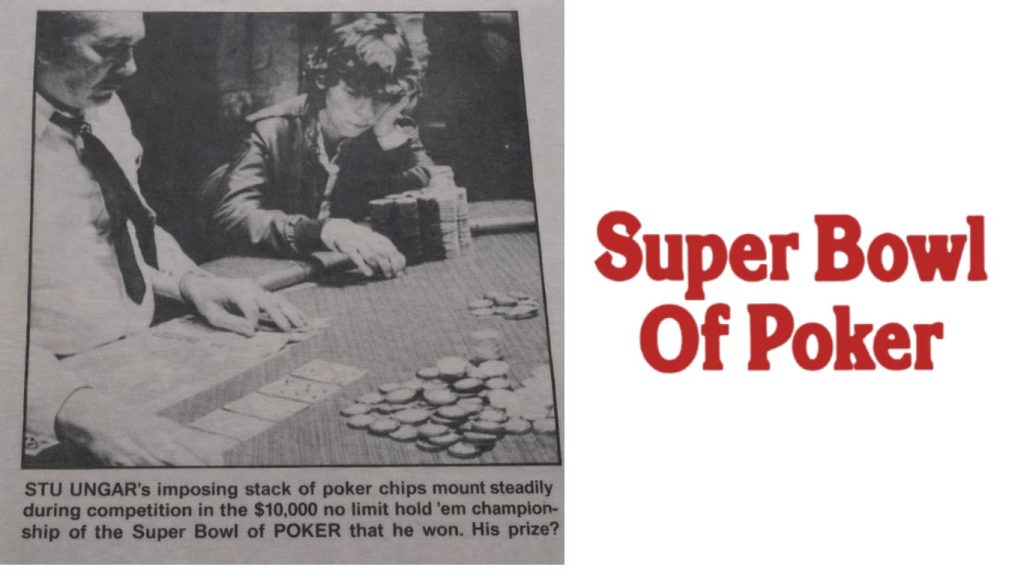
Imposing Stack of Stu Ungar’s Chips at the 1984 Super Bowl of Poker
Why Does His Legacy Transcend Generations?
Beyond the numbers, what distinguishes Stu Ungar is how his aggressive style and card intellect transformed the way the game was played. Although his personal life was full of ups and downs, his competitive approach continues to be studied and admired by poker players of all generations.
Today, as millions watch the American football Super Bowl on television, few remember that there was a Super Bowl of poker with as much history as talent, and that Ungar was the absolute champion of that era.
The Eternal Legacy of a Champion
As the sports world celebrates a new Super Bowl in 2026, it is worth looking back and recognizing the figures who marked an era in world poker. Stu Ungar not only won three titles at the SBOP, but he left a distinctive mark on the history of this game of strategy and nerves of steel.
And that, beyond any other title, makes him the true king of the Super Bowl of Poker.
Read also: Studying While Playing Cost Him Dearly: Thomas Clack, Suspended And Without Sponsor — CodigoPoker