








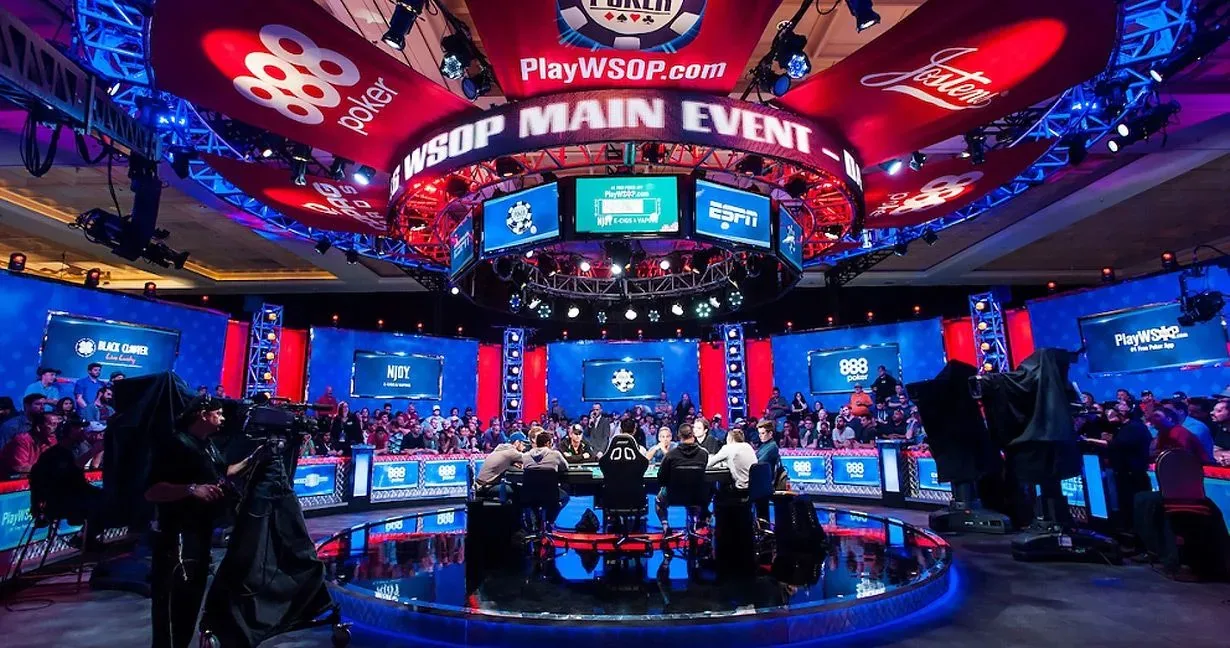
The World Series of Poker made a heavy move, one that makes noise throughout the industry: it announced a multi-year agreement with ESPN so that the Main Event returns to the network that marked several of the most iconic televised sports moments in history. The alliance will begin this very 2026 and will feature a three-night live final table, scheduled for August 3-5.
The new plan will not be symbolic coverage. According to the official announcement, broadcasting will begin on July 2 with Day 1A of the Main Event and each day will have at least six hours of programming. In total, ESPN platforms will broadcast approximately 100 original hours per year, a huge bet to reinstall poker in the great showcase that this television network is for world sports.
When the final table is reached on July 13, action will pause for 20 days and the finalists will return in August to dispute the outcome live on open television, with all the narrative building up between episode and episode.
The historical weight of the announcement is not insignificant. ESPN was key in the expansion of televised poker and in building the modern poker boom. WSOP itself remembers that relationship as a central part of its legacy, while the event’s history dates back to 1970 and its television link with major networks goes back to the late 70s.
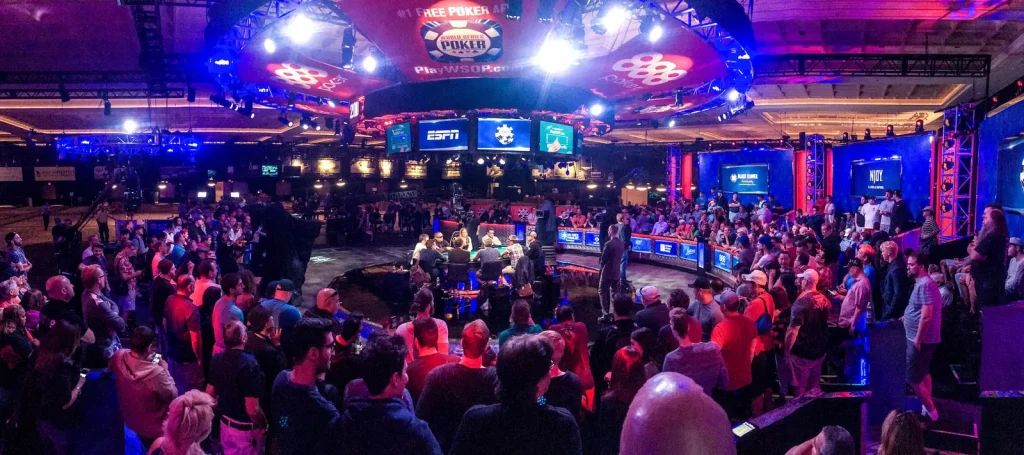
The Excitement Of The Wsop Returns To Espn.
Additionally, the Main Event comes with numbers that justify such a deployment. In 2024 it broke its all-time record with 10,112 entries and a prize pool of US$94,041,600, while in 2025 it again demonstrated its power with 9,735 registrations and US$90,535,500 in prizes.
As an extra touch of ambition, WSOP added Omaha Productions, the company behind premium projects like Quarterback and the “ManningCast”, to elevate the narrative and production to the level of great sporting spectacles. The message is clear: WSOP doesn’t just want to broadcast cards; it wants to sell epic. And with ESPN back at the table, poker has just recovered one of its most powerful spotlights.
When Poker Met ESPN
At a time when poker was not yet considered mass entertainment, and ESPN struggled to fill its schedule with original and economical content, a card changed the course of both worlds. On February 24, 1987, Henri Bollinger
Read more The Lodge Card Club Issued An Official Statement Regarding The Legal Issues It Faces — CodigoPoker
ESPN, which at that time reached almost 50 million households in the United States, saw poker as a low-cost, high-potential opportunity. In exchange for financing production with 100 thousand dollars, Binion’s would obtain part of the program’s advertising space. Production was handled by Translor Films and Trans World International (TWI), a subsidiary of IMG that, years later, would become a powerhouse in global sports broadcasting.
But not everything went as planned. During filming in May, just in the final days of the Main Event, a camera fell on a spectator’s foot. The accident resulted in a lawsuit, and although ESPN had no direct responsibility, it received multiple legal claims that caused internal frustration. Finally, Binion’s and the producers reached a settlement with the victim.
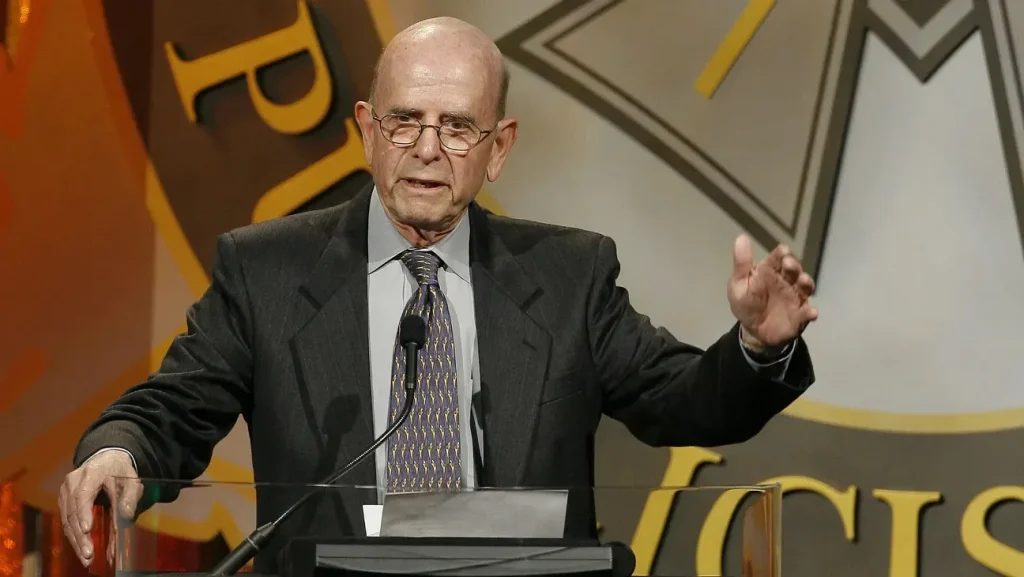
The Decorated Producer Henri Bollinger Was One Of The Minds Behind Poker On Espn.
Despite the incident, production continued. Host Ted Robinson
The documentary was scheduled for July, but post-production was delayed. It wasn’t until December that the final version was delivered to ESPN. Although the exact date of its first broadcast is not known, the program was broadcast multiple times during 1988 showing champion Johnny Chan
This first step marked the beginning of a collaboration that would continue for more than a decade. ESPN covered the WSOP annually until 1998, and after a brief stint on Discovery Channel, returned in 2002. But it was in 2003, with the historic victory of Chris Moneymaker
Read more Play Free Poker: Freeroll At BCPoker With US$500 GTD