








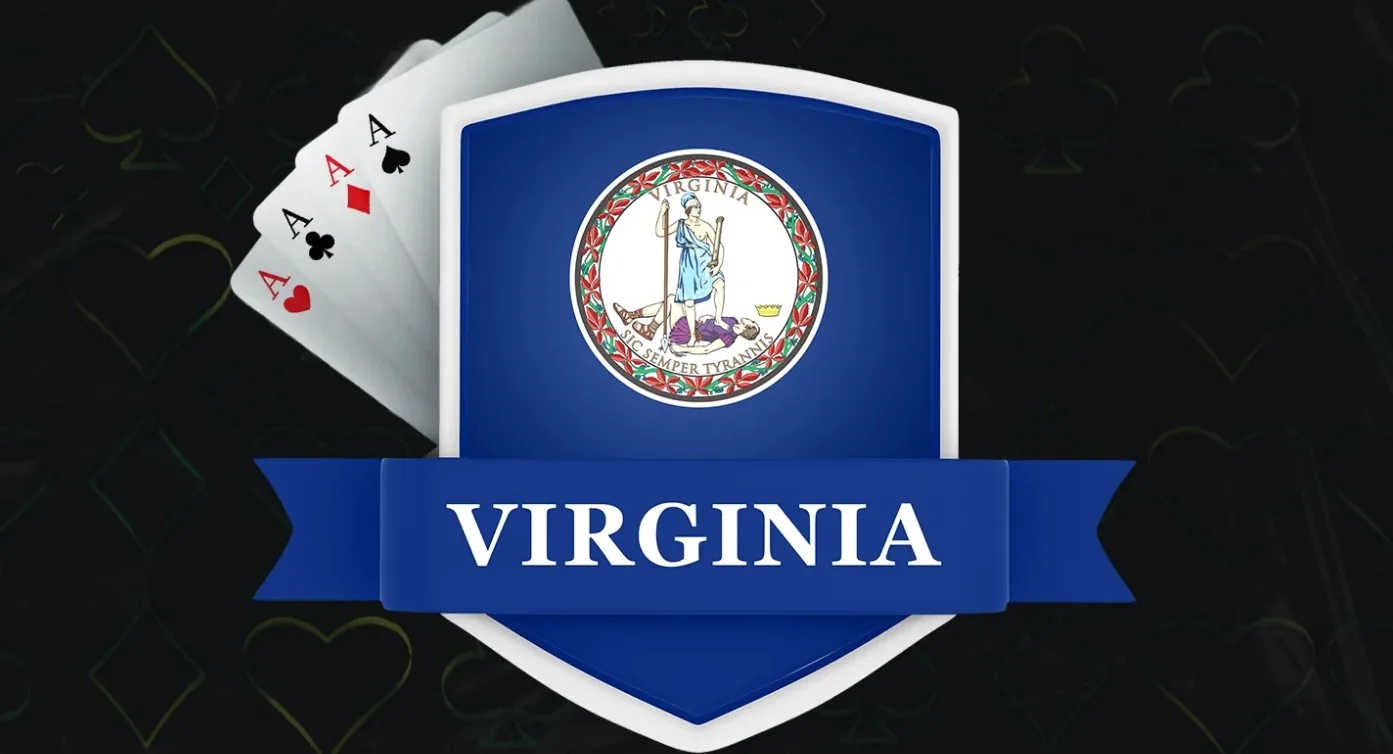
Another US state takes a firm step toward online poker regulation. The Virginia Senate approved SB118 this week, a bill that legalizes casino games and virtual poker, following a vote charged with political tension.
The initiative had initially failed 20-19, but was reconsidered and finally approved 19-17. The progress comes after a similar proposal – HB161 – cleared key committees in the House of Delegates, leaving the state closer than ever to joining the regulated iGaming map in the United States.
Potential impact for online poker
With nearly 9 million inhabitants, eventual regulation would make Virginia an attractive jurisdiction for operators. Additionally, the state could join the Multi-State Internet Gaming Agreement, the shared liquidity pact that allows players to compete across different regulated states, a key point for strengthening traffic at online tables.
If definitively approved, each operator must partner with a physical casino to obtain a license. Concessions would be for five years, with an initial cost of US$500,000 and a renewal of US$250,000.
Each licensee could operate up to three platforms (skins), paying US$2 million for each.
Taxes, education, and compensatory fund
The tax scheme approved in the Senate establishes:
20% on gross gaming revenue
An additional 6% destined for an “economic development” fund
That 6% would go to a compensatory fund for brick-and-mortar casinos, with the goal of mitigating a possible negative impact of online gaming on physical venues.
Regarding the distribution of resources:
95% of the revenue would go to public education
3% to the Gaming Regulatory Fund
2% to the Problem Gambling Treatment and Support Fund
Official estimates project tax revenues of more than US$334 million for fiscal year 2028, with sustained growth in the following years.
Read also: 9 Freerolls On PokerStars This Weekend Heading To The BSOP

Democratic Senator Mamie Locke, the bill’s sponsor, stated that regulation would help combat the illegal market: “It will drastically reduce the burgeoning underground online gambling market in Virginia.”
However, not everyone is celebrating the progress. Some Republican lawmakers and civil groups questioned the social impact of digital gaming. The senator Bill Stanley was one of the most critical: “They are asking us to take the most addictive device in history, the smartphone, and put a slot machine on it.”
The National Association Against iGaming (NAAiG), composed of regional casino operators like Cordish Companies, owner of Live! Casino Virginia in Petersburg, also spoke out against it. The group maintains that expanding online casinos would increase the risks of addiction and financial harm.
More projects on the agenda
In parallel, the Senate approved other gaming-related initiatives, including reforms to daily fantasy sports, the possible legalization of a casino in Fairfax County, and the regulation of skill-based slot machines.
Now it remains for both chambers to harmonize their versions of the bill – as the House proposes a tax burden of 15% plus the 6% compensatory fee – before sending it to the governor’s desk.
If the process moves forward smoothly, Virginia could become one of the next major regulated online poker markets in the United States, reinforcing the sector’s sustained growth in the country.
Read also: WSOP Europe: Phil Hellmuth Will Go In Search Of Bracelet #18