






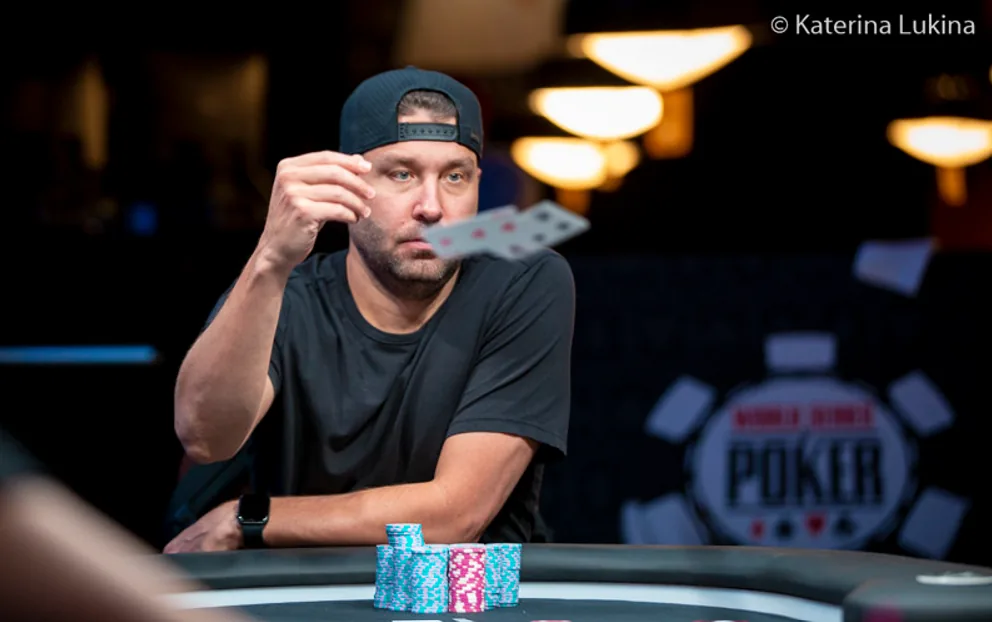
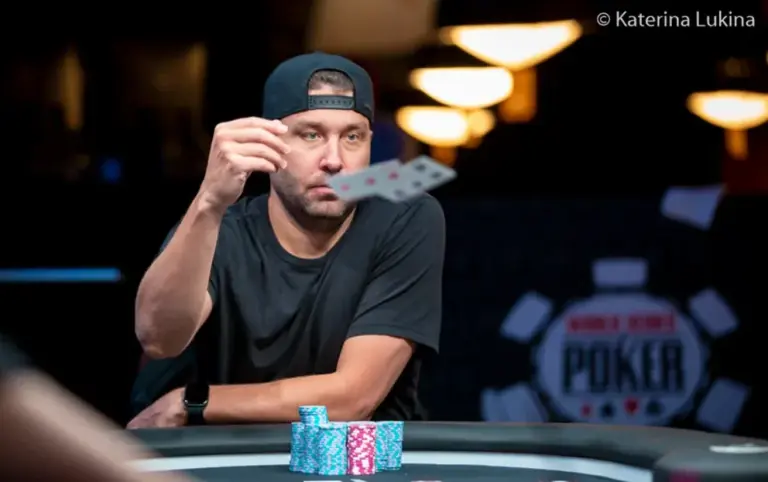
In poker, there is a phrase often repeated among professionals: it’s not just about knowing when to bet, but also recognizing when to fold. For the experienced player and coach Alexander Fitzgerald
In a recent analysis, Fitzgerald — WCOOP and SCOOP event champion and finalist of the WPT and EPT — reviewed situations where, according to his experience, folding the hand is usually the decision with the highest expected value.
1. When facing a raise and a re-raise
Many players fall in love with hands like A-Q or 10-10, but Fitzgerald warns that these cards lose a lot of value when an opponent opens the action and another responds with a solid 3-bet.
The key is knowing the opponent. If the player only re-raises with premium hands, continuing can become a costly mistake. On the other hand, if it’s someone very aggressive, the scenario changes completely.
2. Against a triple barrel
One of the most striking tips from the author is to be wary of hero calls against three consecutive bets.
According to Fitzgerald, most recreational players simply do not feel comfortable executing a bluff during the community cards. The fear of being caught means that when they bet all the way to the river, they usually have a very strong hand.
3. A double barrel in a multiway pot
When there are several players involved and an opponent fires both on the flop and the turn, the range of bluffs decreases considerably.
Fitzgerald explains that many amateurs may bet once with a medium hand, but very few continue applying pressure in a pot with multiple participants if they don’t have a really solid combination.
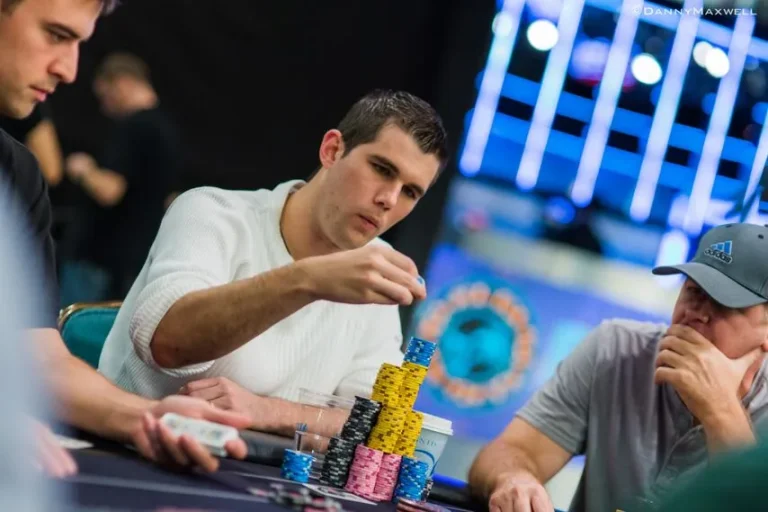
Alexander Fitzgerald Has Just Over Three Million Dollars in Online Poker and Nearly One Million in Live Tournaments.
4. A 3-bet preflop followed by two bets
Another common situation occurs when we call a 3-bet with a medium pair and the aggressor continues betting on the flop and turn.
If the opponent has not shown creativity during the session, Fitzgerald recommends considering an exploitative fold before committing more chips. In these cases, overpairs tend to appear much more frequently than bluffs.
5. An unexpected bet on the river
Donk bets on the river also deserve respect, especially when a flush draw completes.
According to Fitzgerald, many recreational players prefer to bet immediately when they hit their draw for fear that the opponent will check behind and they will lose value. For this reason, this line is usually very unbalanced with bluffs.
Sometimes a Good Fold Is Also a Key Play.
6. The check-raise on the flop followed by a big bet
As a bonus, the professional highlights another dangerous sequence: a check-raise on the flop accompanied by a strong bet on the turn.
In theory, it could be a bluff, but in practice it happens very rarely. Most players avoid this type of maneuver because it requires continuing to apply pressure on later streets.
Fitzgerald concludes that discipline remains one of poker’s most important weapons. Saving chips in unfavorable situations protects the bankroll and avoids unnecessary losses. After all, sometimes the most profitable hand is not the one you win, but the one you decide to fold in time.
Read more Carlos Serrano and Sergio Andrade go for glory at the BSOP Championship — CodigoPoker


