

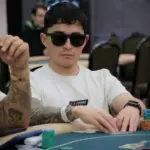

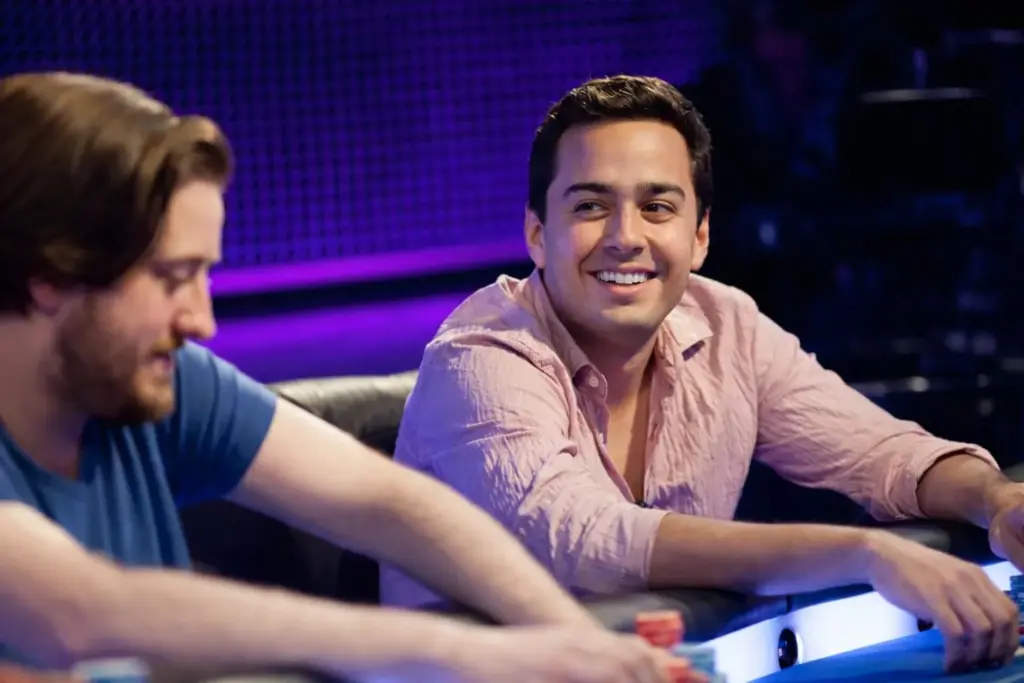
JC Alvarado
But on this long road spanning from May 2006, when he entered his first records into the global database, until the end of 2019, not everything has been a bed of roses, as we have come to know thanks to the anecdotes he himself has been sharing little by little on today’s most popular social networks.
Alvarado reached the peak of his career when in August 2012 he participated in the €50.000 No Limit Hold’em – Super High Roller as part of the European Poker Tour (EPT Barcelona) and achieved the title of “Runner-Up” with a cash of €788.674, equivalent at the time to about US$969.000, an enormously significant amount of money, without a doubt. But then… with a promising career ahead and having reached one of the highest points… Why the drastic decision to say a sharp goodbye to it?
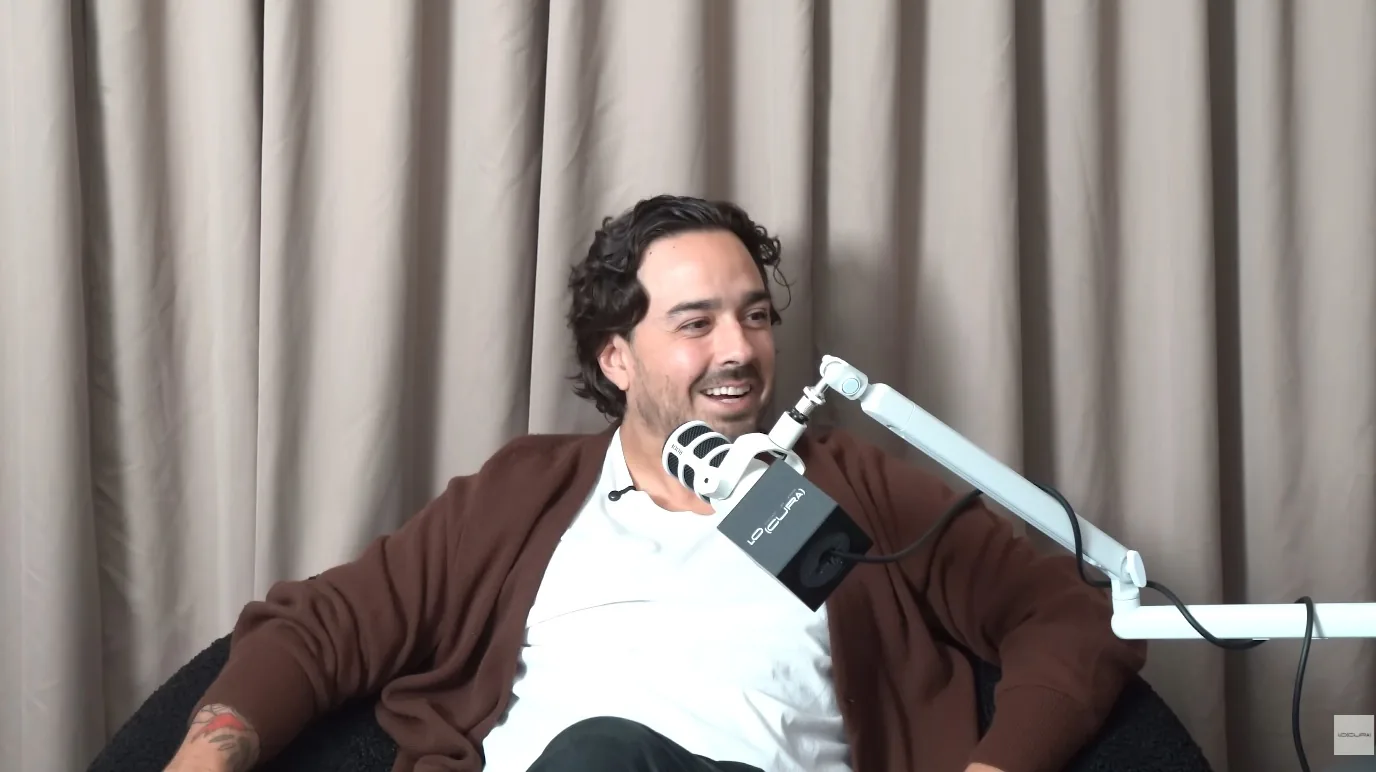
One of the main points that led him to make that decision was the relationship with his backer, and he talked about it with Rodrigo Jim
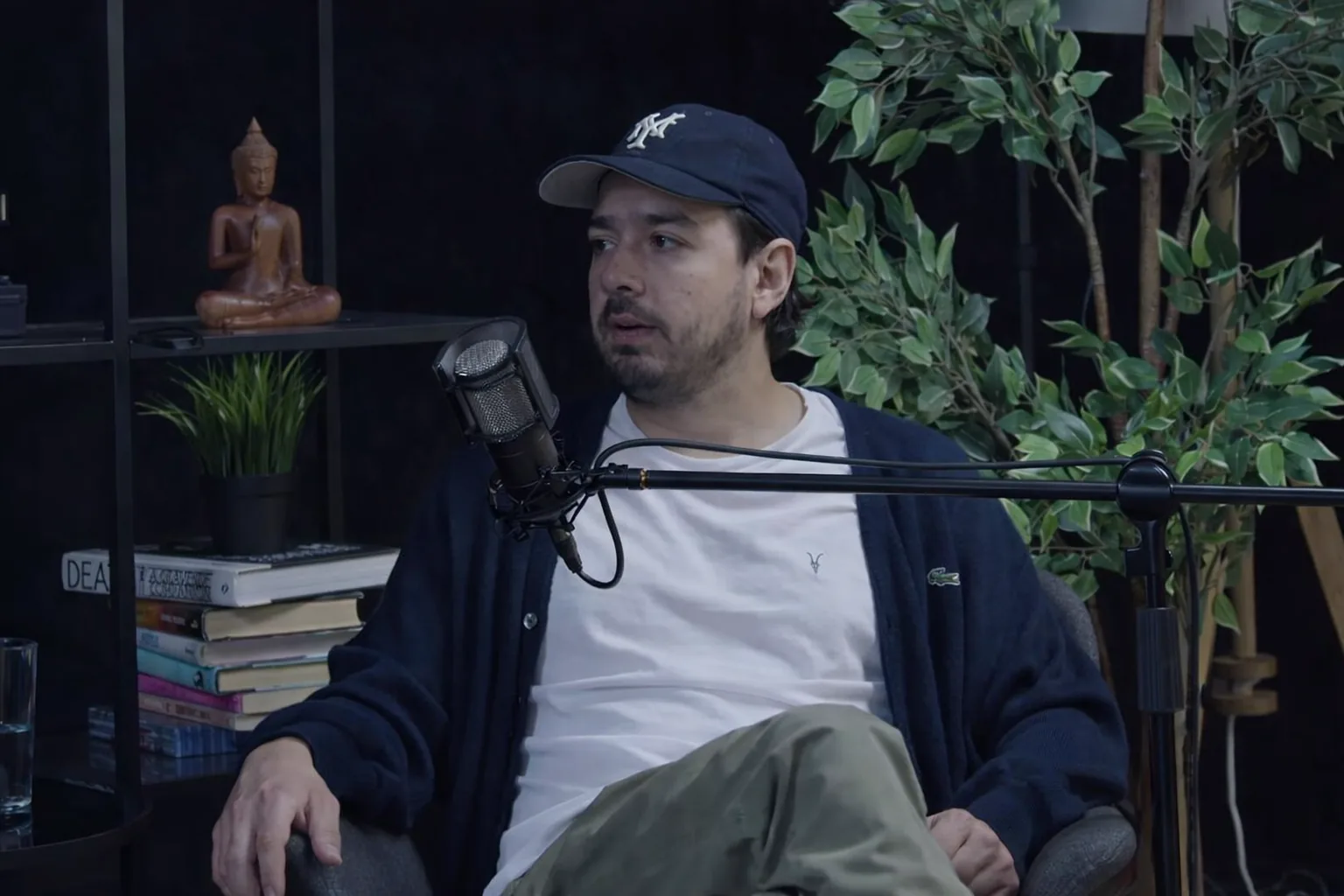
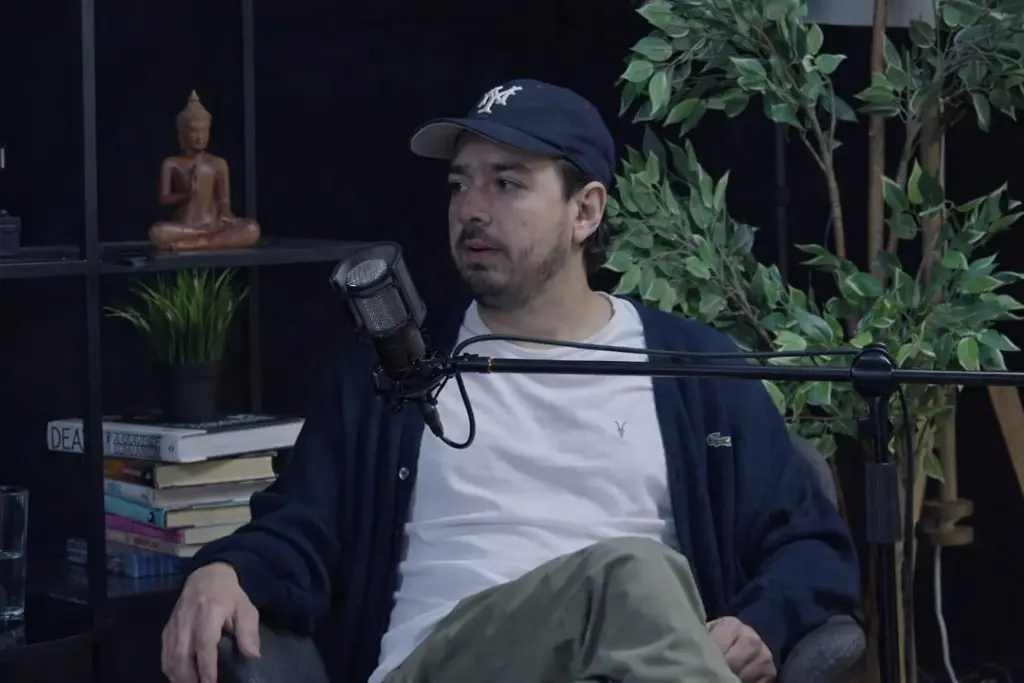
JC Alvarado addressed the topic of backing and selling action in the professional poker world
-Rodrigo: Tell me a bit about your retirement, did it have anything to do directly with that mixed martial arts (MMA) fight you had in April 2016 against Olivier Busquet in Las Vegas?
-JC: It didn’t have to do with that, although as you mention, it wasn’t easy to reach a point where I would show up to a tournament with hundreds of players and all of them knew and talked about the subject.
Read more Discover the spectacular structure of the OSOP Main Event — CodigoPoker
-Rodrigo: So, what carried more weight in the decision to consider your retirement from the felt?
-JC: My retirement has more to do with the issue of being backed by someone for years and the aspect that we actually handled it very poorly between the two of us. I didn’t have a well-defined sense of the scope of the bankroll I could manage, and this other party wanted to take shots in very high buy-in tournaments of around US$25.000 and told me to fire three bullets if necessary. So I would get into a makeup of US$75.000 in a single tournament, and then in the series, another similar US$25.000 event would follow where I could get even, and then he would tell me, no, better play the US$3.000 one.
In this way, my makeup inflated very high playing very high tournaments, and then I couldn’t get out of it playing at the same pace, because dropping down in level so abruptly would mean it would take me years to cover those losses, which made it unsustainable.
-Rodrigo: So what happened in that backing relationship?
-JC: With this person I worked with for many years there was no problem, as he was my brother and we ended on good terms, but eventually he told me he could no longer continue backing me. Also, at the end of my career, backing was practically non-existent in the professional sphere, and if I wanted to keep playing the tournaments I was playing, it was by selling action.
-Rodrigo: And what is better for a player: having a backer or selling action?
-JC: Selling action, you don’t have makeup (you don’t have to cover losses), so it definitely is 100% better. But the thing is, you have to have a large enough bankroll because, at the end of the day, you are putting your own buy-in into the tournaments, even if it’s just a lower percentage.
-Rodrigo: What is the most expensive buy-in tournament you have played?
-JC: It was a US$250.000 buy-in at the Triton Poker Series in South Korea, a No-Limit Hold’em Re-Entry tournament.
Read more Open an account at BCPoker and activate 4 immediate benefits
Check out the post on Instagram:
View this post on InstagramA post shared by Rodrigo Jim (@rodrigojim)