


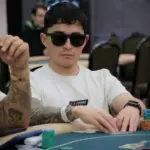





Would you prefer to win nine out of ten sessions or end the year with more money? The answer seems obvious, but at a poker table emotions can completely change the equation.
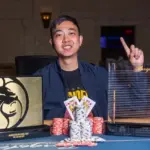
Jason Su
The problem was in how she achieved it.
When she lost, she simply didn’t get up from the table. She could continue until she ran out of chances to make more money or until she physically could no longer keep her eyes open. Su recalls losing count of the times she played sessions lasting more than 70 hours with a single goal: to avoid recording a loss.
But when she was winning, the exact opposite happened. She quickly ended the session, even when the table was excellent and continuing to play could represent a huge economic opportunity.
All to protect the streak.

Emotionally Accepting a Defeat Is EV+ for the Future.
Here arises an interesting discussion for any grinder: what does it really mean to win at poker?
Read more 5 Free Poker Apps Worth Trying — CodigoPoker
A positive session does not necessarily represent a good decision and a negative session does not mean that one played badly. Obsessing over the immediate result can cause exactly the opposite of what any professional seeks: leaving good tables too early and staying for hours in unprofitable situations.
For Su, behind this behavior there is a skill that many players never developed: emotionally accepting a defeat.
Those who need to avoid the feeling of losing at all costs can end up chasing losses during endless sessions. And when they are finally ahead, they play with fear of giving back what they won.
The lesson seems simple, although applying it is much harder: the goal should not be to win every session, but to make profitable decisions regardless of the immediate result.
Because in poker, sometimes getting up losing is precisely the winning move.
Read more Ngo Khoa made the big leap: from Triton ONE to millionaire champion in Jeju — CodigoPoker