









In modern poker, there is so much information available that the real challenge is no longer always to learn more, but to know what to ignore. This is one of the central ideas presented by Alex Fitzgerald
The first is believing that more information always means playing better. Streams, courses, videos, and analysis can help, but accumulating concepts without understanding when to use them has the opposite effect. In Latin American fields, where recreational players abound, mechanically applying advanced concepts can be less profitable than understanding the real tendencies of our table.
Something similar happens with the obsession with balancing ranges. Fitzgerald argues that, against opponents we will probably never face again, exploiting their mistakes can be much more important than building a perfectly balanced strategy. Does the opponent call too much? Fewer bluffs and more value bets. Does he fold too much? You have to pressure him.
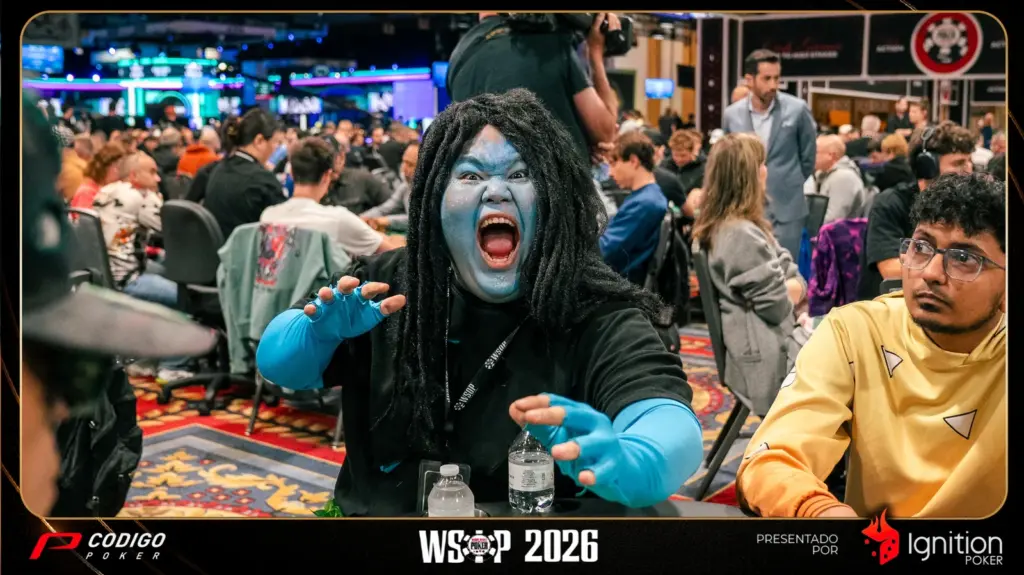
Knowing Who You Are Playing Against Is Very Important.
The third myth points to the mental aspect: thinking that we must be in perfect condition to play. Sleeping well and controlling tilt matters, but waiting for ideal preparation before each session is unrealistic. The key is to recognize when we are truly not capable of making good decisions.
Read more Cartas al descubierto: el reproductor de mesa final de ACR Poker estará en la OSS XL — CodigoPoker
There is also a classic from any Latin casino: “If you folded and they showed you the bluff, you played badly.” Not necessarily. A decision must be evaluated using the information available at that moment, not by retrospectively looking at the opponent’s cards. Against populations that bluff little on the river, folding bluff-catchers can even be tremendously profitable.
Finally, there is one of the most costly mistakes: stopping value betting because “the pot is already big enough”. If we probably have the best hand and there are worse hands capable of calling, giving up that last bet means leaving money on the table.
Fitzgerald’s lesson is especially applicable to the Latin ecosystem: we don’t need our strategy to look sophisticated, but to work against those we face.
Because in poker knowing a lot of theory helps. Knowing when to forget it can be worth even more.
Read more Stalling under the microscope: why does poker need to speed up the game? — CodigoPoker
By Alex Fitzgerald on poker.org