


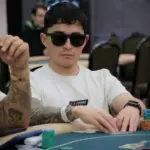


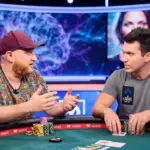


In cash games, there is no bell that signals the end. You can get up whenever you want, but that’s precisely where a difficult decision arises: when is it really time to leave? The renowned coach and player Alex Fitzgerald
The first is bad beats
Fitzgerald argues that every player should know how many consecutive bad beats they can endure without changing their game. He sets his limit around three significant live bad beats. Beyond that point, he starts to lose interest and prefers to leave.
The second alarm is annoying opponents
A table can be extremely profitable, but if one person manages to irritate you enough to affect your decisions, staying seated can end up costing more than you could potentially win.
The third indicator is financial
How many buy-ins can you lose before you stop playing your A-game? In his column at Poker.Org, Fitzgerald says his tolerance is around ten buy-ins online and five live, although he acknowledges that depending on his mental state it can drop to three.
Read more A $1.5 million game that ended up taking Rick Salomon to rehab — CodigoPoker
The fourth sign: failed bluffs
For Fitzgerald, being caught in a bluff can be even more irritating than suffering a bad beat, because the immediate feeling is that you made an avoidable mistake. If after a failed bluff you start chasing losses, it’s time to get up.
The fifth sign is boredom
Spending hours without receiving playable cards is part of poker. The danger arises when we try to manufacture action with questionable calls or big bluffs just to entertain ourselves.

Boredom Is a Sign to Quit
Finally, the most important sign
Recognizing what our own tilt looks like. Fitzgerald explains that when he plays well he analyzes stacks, positions, opponents, and tendencies. When he plays poorly, he starts obsessing over his cards, bad luck, and boredom.
His recommendation is simple but powerful: identify those signs, write them down, and respect them. Because leaving a good table can hurt. But staying when you’re no longer making good decisions can be much more costly.
Read more Shaun Deeb slowrolls Phil Hellmuth and then plays an $82,000 pot against Jennifer Tilly —